Reliable Animal Removal Experts for Every Situation
Complete Creature Removal Services for a Pest-Free Environment
Professional wildlife control services tackle critical city challenges posed by assorted animal species. These experts manage issues including rat infestations and raccoon invasions, which can lead to significant health risks. Utilizing ethical practices, they guarantee safe removal while forestalling future occurrences. Knowing the methods and principles supporting these services is essential. Which factors should one consider when choosing a dependable animal removal service? Researching this can provide valuable insights into keeping a pest-free environment.
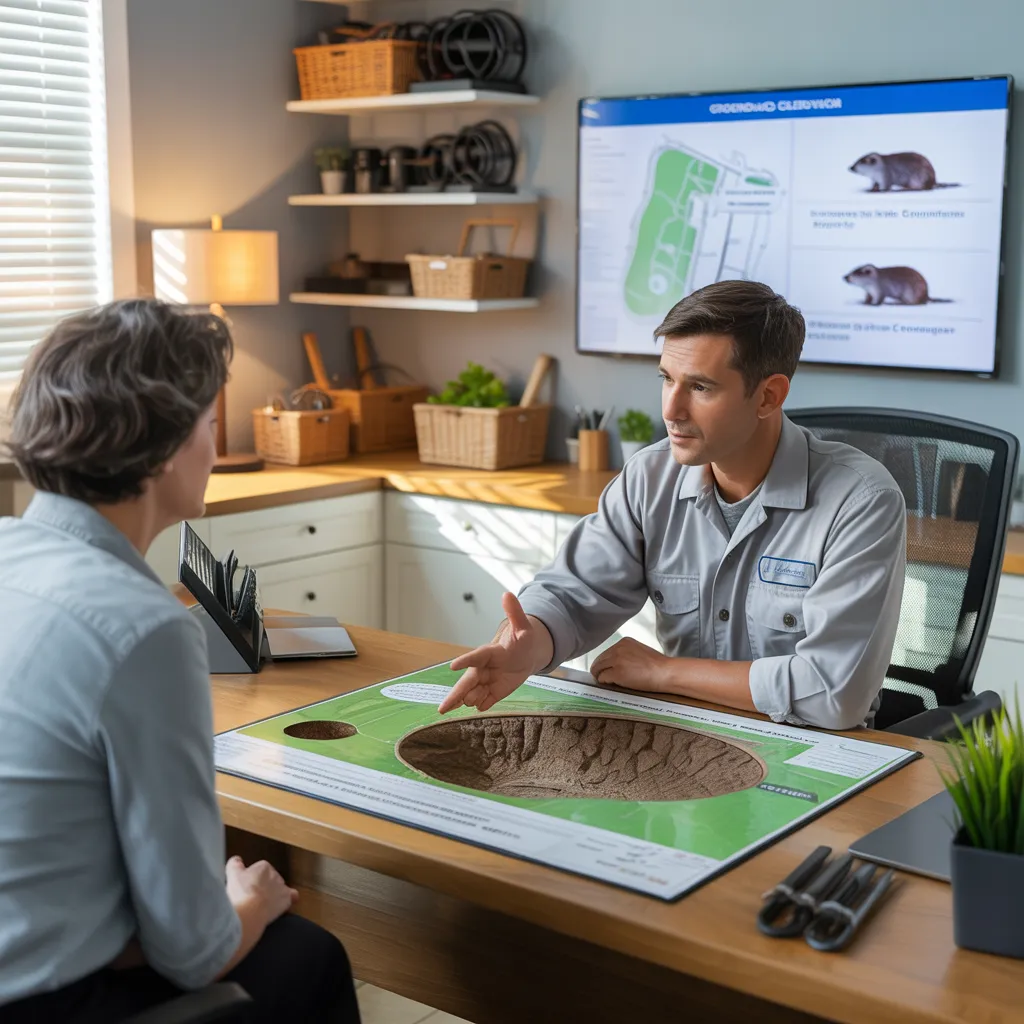
Widespread Animal Difficulties in Urban Areas
Urban areas often encounter a myriad of animal-related issues that can interfere with daily life and pose health risks. Pest rodents, such as rats and mice, often infiltrate homes and businesses, seeking food and shelter. Their presence can lead to property damage and the spread of illnesses like hantavirus and leptospirosis. Similarly, raccoons and squirrels often exploit urban environments, rummaging through trash and denning in attics, which can create further sanitation issues.
Birds, especially pigeons, can become a nuisance, causing unsightly droppings that pose health hazards and damage property. In addition, larger animals like deer may enter urban settings, leading to risky interactions on roadways. As wildlife adapts to urban life, the tensions among people and wildlife increase, necessitating efficient control methods to reduce these issues and guarantee community safety.
Why Animal Control Services Matter
Wildlife removal solutions are essential in mitigating health risks that stem from animal outbreaks. They also assist in preventing damage to property created by wildlife, which can cause costly repairs. Additionally, these services support the preservation of ecological balance by making sure that urban environments remain healthy and livable for both people and wildlife.
Health Concerns Minimization
When wildlife invade on human spaces, they can pose significant safety hazards, making wildlife removal services essential for maintaining protection. Wild animals often carry diseases that can be spread to humans, such as rabies, hantavirus, and leptospirosis. Their droppings and urine can contaminate areas and air, leading to respiratory issues or ailments. Additionally, parasites like ticks and fleas may invade homes, posing additional safety dangers. Proper animal extraction not only addresses urgent invasions but also prevents subsequent incidents, thereby protecting community wellness. Professionals trained in humane removal methods ensure that creatures are relocated rather than injured, promoting a harmony between fauna and human habitats. Ultimately, these services play a crucial role in preserving both public welfare and environmental balance.
Protecting Your Property from Damage
Providing effective wildlife removal assistance plays a critical role in safeguarding properties from severe damage. Wildlife intrusion can cause structural damage such as chewed wires, ruined insulation, and compromised roofing. Moreover, burrowing animals can damage foundations, leading to expensive repairs. By quickly addressing infestations, these services stop further deterioration and preserve property value. Professional removal also involves sealing off entry points, which decreases the risk of reinfestation. This preventive strategy safeguards the structural integrity of buildings and minimizes disruptions to daily routines. Investing in comprehensive wildlife removal serves to reduce risks and ensure a safe, damage-free environment for homeowners and businesses.
Environmental Equilibrium Upkeep
Ecological balance is essential for sound ecosystems, and wildlife removal services play an important role in this process. These services assist in regulating wildlife populations that may be invasive or overly abundant, ensuring that native species and their habitats are preserved. The overpopulation of certain species can lead to resource depletion, habitat destruction, and increased human-wildlife conflicts. By professionally managing wildlife, these services contribute to ecosystem stability, allowing various species to coexist. Additionally, they provide instructional materials about local wildlife, fostering community awareness and encouraging conservation efforts. In summary, wildlife removal services are crucial for maintaining biodiversity, protecting habitats, and ensuring ecosystems stay balanced and resilient.
Wildlife Removal: How Professionals Complete the Task
Professionals in wildlife removal start with a thorough inspection and assessment to determine the species and the extent of the problem. This preliminary assessment is crucial for establishing the most efficient and compassionate extraction methods. Using safe methods guarantees that both the creatures and the surrounding environment are protected throughout the procedure.
Inspection and Evaluation Process
A careful inspection and assessment process is crucial in wildlife removal because it enables experts to identify the exact challenges created by nuisance animals. Experts begin by surveying the property for evidence of wildlife activity such as droppings, tracks, and nesting materials. They analyze potential entry points, including gaps in walls, roofs, and foundations that animals might take advantage of. Moreover, the evaluation includes checking for damage caused by wildlife, which may confirm the extent of infestation. Understanding the behavioral patterns of the animals involved is vital for effective management. This detailed assessment not only informs the removal strategy but also assists in preventing future invasions, ensuring a long-term solution for a pest-free environment.

Safe Extraction Techniques
Employing humane and effective methods, wildlife removal experts use a variety of safe techniques to manage infestations. These professionals prioritize the well-being of both animals and the environment. Trapping is a standard approach, using specialized cages that capture wildlife without harm, enabling relocation to appropriate habitats. Furthermore, exclusion methods are implemented to seal entry points, preventing future invasions. Specialists may also use natural repellents that discourage wildlife without causing distress. Monitoring and follow-up evaluations ensure the efficacy of these strategies, allowing for modifications as needed. By focusing on humane practices, wildlife removal specialists encourage a balanced coexistence between humans and local wildlife, fostering a pest-free environment while respecting nature’s role in the ecosystem.
Safety and Ethics in Pest Removal
Responsible wildlife removal centers on the careful equilibrium between people's protection and humane care of animals. Professionals in this field prioritize safety by utilizing methods that reduce dangers to both wildlife and people. This includes using traps designed to capture without causing harm and ensuring that all interactions are conducted with care.
Moral aspects surpass merely the methods used; they embrace the knowledge of animals' parts in the ecosystem. Responsible wildlife removal services stand for the humane relocation of animals rather than extermination, realizing the need to respect wildlife as essential units of the environment.
Additionally, regular coaching and preparation in humane practices are indispensable for professionals. This pledge to well-being and morality not only generates confidence among communities but also promotes a more cooperative relationship with nature. Thus, ethical wildlife removal is not just a practice but a essential mandate that preserves the values of sensitivity and deference for all living beings.
Preventing Next Animal Infestations
Recognizing the value of compassionate animal removal naturally leads to the consideration of prevention measures against upcoming pest problems. Effective prevention starts with locating and closing entry points around homes and buildings. This encompasses inspecting foundations, basements, attics, and roofs for gaps or cracks that animals can utilize.
Moreover, taking away food sources is necessary. Secure garbage bins, compost piles, and pet food to discourage animals from finding easy meals. Upkeeping a clean yard by trimming overgrown vegetation and clearing debris minimizes potential habitats for wildlife.
Installing noise deterrents or motion-sensing illumination can further discourage unwanted visitors. Regularly monitoring the property for indicators of animal presence allows homeowners to tackle problems before they escalate. By implementing these preventative measures, individuals can create an environment that minimizes the risk of future wildlife infestations, ensuring a peaceful coexistence with nature while maintaining a wildlife-free home.
How to Select the Best Wildlife Removal Operator?
When seeking out a wildlife removal service, what key factors should homeowners consider? First, it is essential to evaluate the company's experience and expertise in handling particular animal problems. A trustworthy company should have evaluation trained technicians knowledgeable about local regulations and humane removal practices. Furthermore, homeowners should inquire about the techniques used for extraction and prevention, ensuring they emphasize safety and environmental responsibility.
Additionally, confirming permits and coverage can safeguard homeowners from liability during the removal process. Client reviews and testimonials provide insight into the service's reputation and success rate. In conclusion, transparency regarding pricing and guarantees is vital; a trustworthy service will offer clear estimates and follow-up support. By concentrating on these elements, homeowners can choose a animal control provider that satisfies their needs, ensuring a area free from pests while following moral principles.
Frequent Common Questions
What Species Can Pest Control Companies Address?
Removal services for wildlife regularly manage assorted animals, including raccoons, squirrels, opossums, bats, and birds. They resolve challenges linked to infestations, delivering safe extraction and control of subsequent wildlife contact in residential and commercial properties.
Do Animal Extraction Services Support Ecological Sustainability?
Animal removal services can be earth-conscious, using humane methods to shift wildlife without damage. Many center on environmentally safe practices, ensuring small-scale impact to local ecosystems while thoroughly tackling wildlife-related issues for homeowners and businesses alike.
How Long Does the Removal Process Typically Take?
Removal usually takes a few hours to a couple of days, contingent on the situation's nature and the species involved. Aspects like location and necessary follow-up actions might also change the period of time.
Will Wildlife Removal Harm My Property?
Animal removal can possibly result in some structural harm, depending on the approach taken and the circumstances. However, expert providers seek to minimize any harm and often include repairs as part of the service.
What Might I Do if I Encounter Creatures Once More?
If wildlife becomes visible again, individuals should preserve a safe distance, avoid direct interactions, and document the sighting. Communicating the incident to local wildlife authorities can promise proper handling and management of the situation.